megavietnam.vn
Tiếng ViệtEnglish

MARKET NEWS

Display
COMPARISON OF SILICA AND COAL BLACK IN RUBBER REINFORCING: WHICH IS THE SUITABLE CHOICE?

COMPARISON OF SILICA AND COAL BLACK IN RUBBER REINFORCING: WHICH IS THE SUITABLE CHOICE?

  In the rubber industry, Silica and Carbon Black ( black coal ) are the two most important and widely used types of reinforcing fillers. Both have the ability to improve the mechanical properties of rubber such as tensile strength, modulus, abrasion resistance and working durability, but the mechanism of interaction with rubber and the properties they provide have many differences. The choice of Silica or Carbon Black therefore depends not only on price but also on the requirements of each product such as mechanical durability, abrasion resistance, road grip, rolling resistance, color and processing conditions.
ANTI-SLIP EPOXY PAINT – SOLUTION TO INCREASE SAFETY FOR INDUSTRIAL FLOORS AND AREAS AT RISK OF FALLS

ANTI-SLIP EPOXY PAINT – SOLUTION TO INCREASE SAFETY FOR INDUSTRIAL FLOORS AND AREAS AT RISK OF FALLS

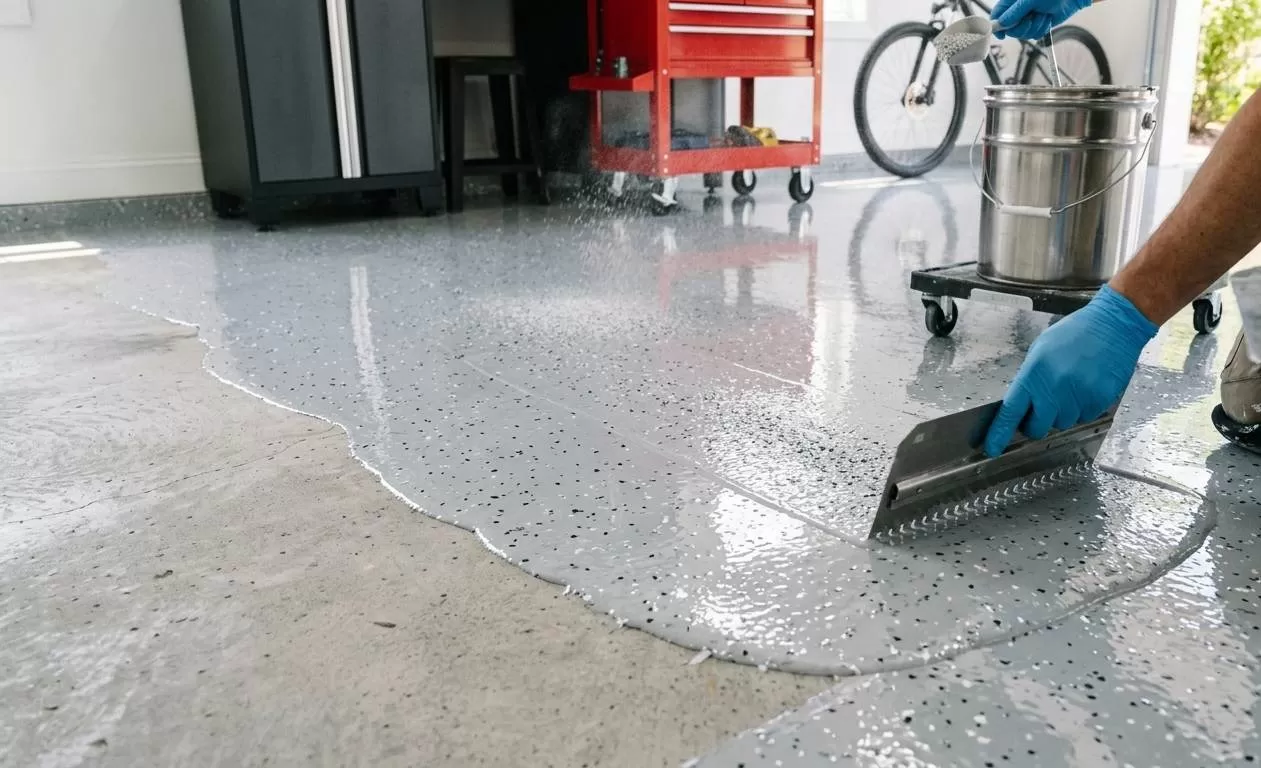
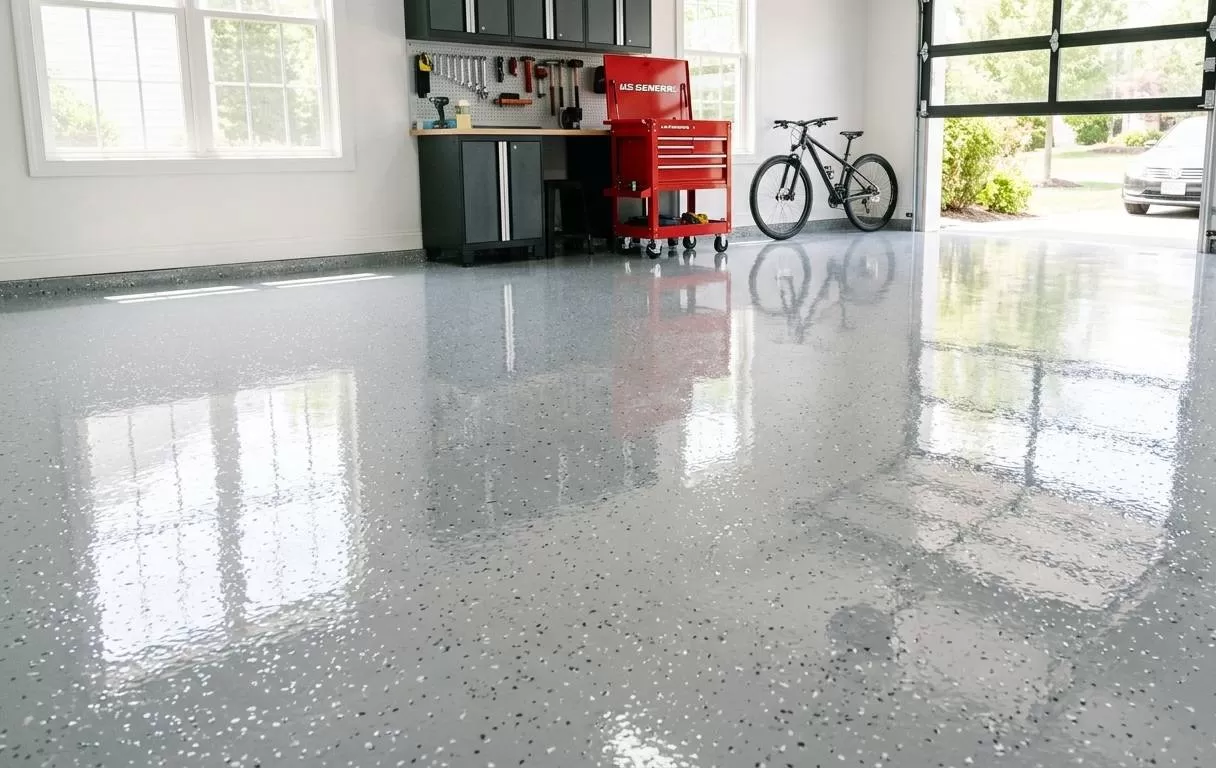
  Anti-slip Epoxy paint is an Epoxy paint system designed to increase friction on the floor surface, helping to reduce the risk of slipping while moving or operating machinery. In addition to the inherent advantages of Epoxy paint such as load-bearing capacity, abrasion resistance, chemical resistance and ease of cleaning, this type of paint is also supplemented with roughening materials such as quartz sand, aluminum oxide particles, glass particles or specialized additives to create a surface with high adhesion.
MIXING RATIO OF EPOXY RESIN AND HOLDER - PROPER TECHNICAL INSTRUCTIONS FOR OPTIMUM EFFICIENCY

MIXING RATIO OF EPOXY RESIN AND HOLDER - PROPER TECHNICAL INSTRUCTIONS FOR OPTIMUM EFFICIENCY

  Epoxy resin is one of the materials widely used in the fields of coatings, glues, molding, epoxy wood tables, composites, electronics and construction. However, for Epoxy resin to achieve the desired hardness, durability and adhesion, mixing the correct ratio between Epoxy resin (Resin - Part A) and hardener (Hardener - Part B) is the decisive factor.
WHAT TECHNICAL STANDARDS DOES RUBBER NEED TO MEET? IMPORTANT REQUIREMENTS IN PRODUCTION AND APPLICATION

WHAT TECHNICAL STANDARDS DOES RUBBER NEED TO MEET? IMPORTANT REQUIREMENTS IN PRODUCTION AND APPLICATION

  Rubber is an indispensable material in many industries such as automobiles, construction, electricity - electronics, healthcare, oil and gas and machine manufacturing. From tires, seals, conveyor belts, belts to gloves and technical details, each product must meet certain technical standards to ensure quality, safety and longevity when used. Depending on the application purpose, these standards may vary, but in general they focus on criteria for mechanical properties, heat resistance, chemical resistance, aging resistance and material stability. Understanding the technical standards of rubber will help businesses choose raw materials, design mixing formulas and control product quality more effectively.
DISTINGUISHING NATURAL RUBBER FROM SYNTHETIC RUBBER – WHICH TYPE SHOULD YOU CHOOSE?

DISTINGUISHING NATURAL RUBBER FROM SYNTHETIC RUBBER – WHICH TYPE SHOULD YOU CHOOSE?

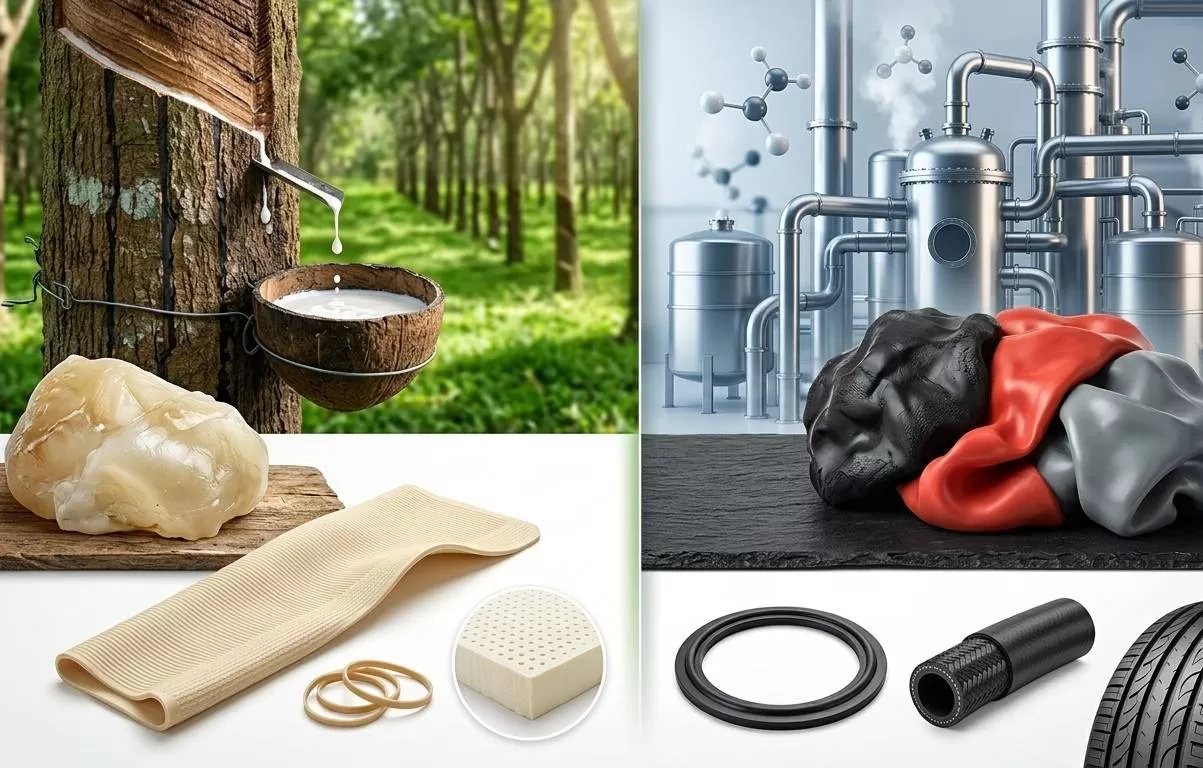
  Rubber is one of the most important materials in modern industry, widely used in the production of tires, gaskets, conveyor belts, belts, gloves, medical equipment and thousands of other technical products. Currently, rubber is divided into two main groups: natural rubber and synthetic rubber. Although they are both elastic, these two materials have very different origins, chemical structures, technical characteristics and application ranges. Understanding the difference between natural rubber and synthetic rubber will help businesses and consumers choose the right material to suit their usage requirements.
SILICA 355GR RUBBER REINFORCING ABILITY – SOLUTION TO IMPROVE RUBBER PRODUCT PERFORMANCE AND LIFE LIFE

SILICA 355GR RUBBER REINFORCING ABILITY – SOLUTION TO IMPROVE RUBBER PRODUCT PERFORMANCE AND LIFE LIFE

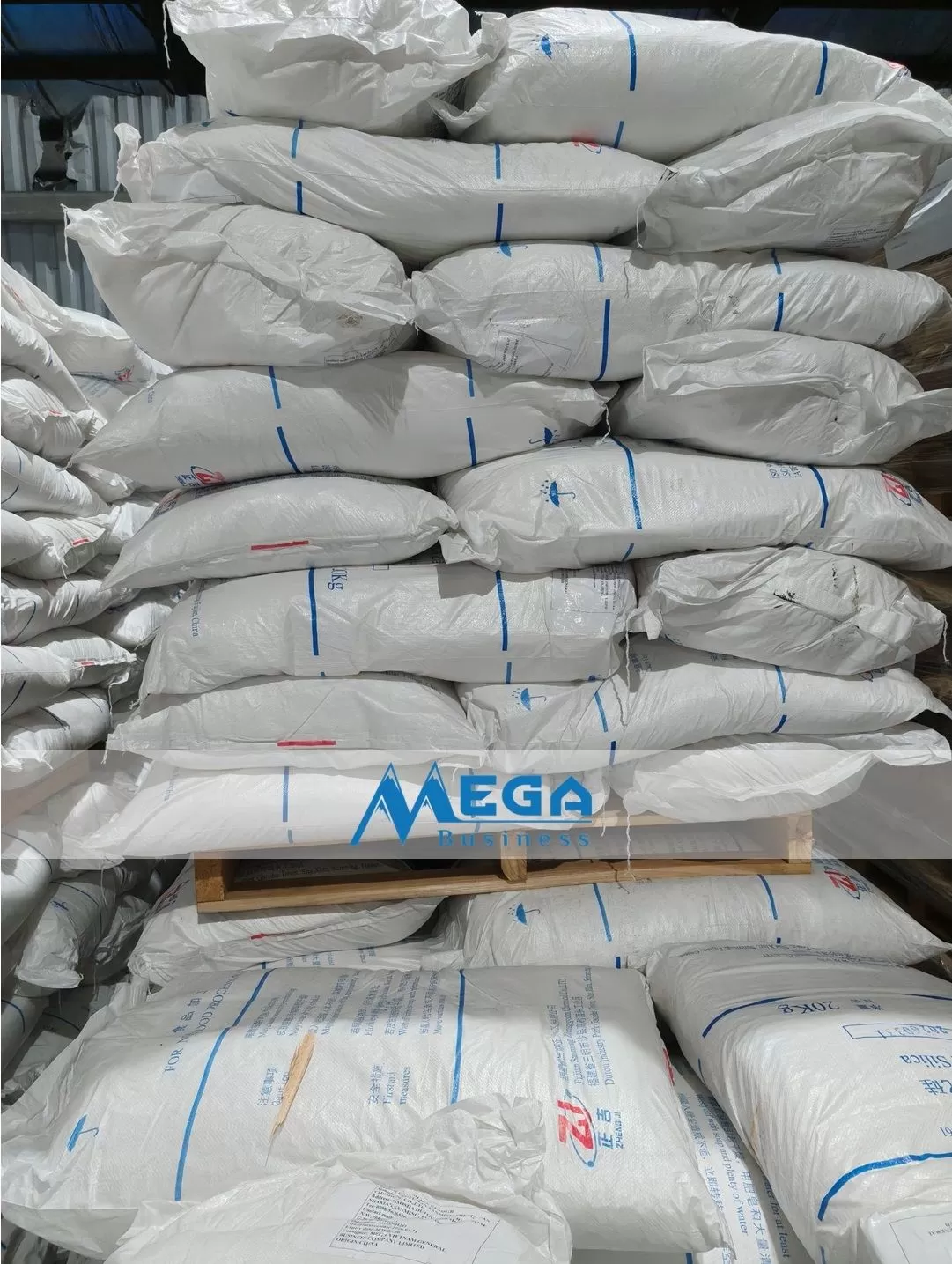
  In the modern rubber industry, the choice of filler is not only to reduce product costs but also plays a decisive role in the mechanical properties and longevity of the finished product. Among the types of reinforcing fillers commonly used today, Precipitated Silica 355GR (Precipitated Silica ZJ-355GR) is considered one of the materials with outstanding reinforcing ability, especially for tires, technical rubber, conveyor belts, rubber hoses and shoe soles.
NOTES WHEN CHOOSING CHARCOAL BLACK N330 – OPTIMAL SOLUTION FOR QUALITY AND EFFICIENCY FOR RUBBER PRODUCTS

NOTES WHEN CHOOSING CHARCOAL BLACK N330 – OPTIMAL SOLUTION FOR QUALITY AND EFFICIENCY FOR RUBBER PRODUCTS

  Carbon black N330 is one of the most commonly used carbon blacks in the rubber industry thanks to its good reinforcing ability, balance between mechanical strength, abrasion resistance and processing efficiency. This type of carbon black appears in many products such as tires, conveyor belts, belts, rubber gaskets, shoe soles, rubber hoses and technical details. However, to achieve optimal efficiency, choosing N330 carbon black is not only based on price but also needs to consider many factors about quality, technical specifications and suitability for each application. Below are important notes to help businesses choose the right type of N330 carbon black.
THE ROLE OF LIGHT STABILIZERS FOR PLASTIC - A SOLUTION TO EXTEND THE LIFETIME OF OUTDOOR PLASTIC PRODUCTS

THE ROLE OF LIGHT STABILIZERS FOR PLASTIC - A SOLUTION TO EXTEND THE LIFETIME OF OUTDOOR PLASTIC PRODUCTS

  Plastic is one of the most widely used materials today thanks to its light weight, ease of processing and reasonable cost. However, with long-term exposure to sunlight, especially ultraviolet (UV) rays, many types of plastic will gradually age, fade, crack the surface and lose mechanical properties. To overcome this phenomenon, manufacturers often add light stabilizers (Light Stabilizer) to the plastic formula. This is an important additive group that helps extend product life, maintain color and protect the mechanical properties of materials in outdoor use conditions.
TRAFFIC PAINTING: CHARACTERISTICS, CLASSIFICATION AND APPLICATION IN MODERN INFRASTRUCTURE

TRAFFIC PAINTING: CHARACTERISTICS, CLASSIFICATION AND APPLICATION IN MODERN INFRASTRUCTURE

  Road marking paint is one of the important materials that contributes to ensuring safety and improving traffic organization efficiency. Painted lines on the road not only help divide lanes and guide vehicles, but also help drivers see better at night or in adverse weather conditions. To meet the requirements of durability, reflectivity and abrasion resistance, current road marking paint is developed with many different technologies such as thermoplastic paint (Hot Melt), solvent-based paint and water-based paint. Understanding the characteristics of each type of paint will help construction units and investors choose the appropriate solution for each traffic project.
WHAT IS FSC SUSTAINABLE RUBBER CERTIFICATE? MEANING AND BENEFITS FOR BUSINESSES

WHAT IS FSC SUSTAINABLE RUBBER CERTIFICATE? MEANING AND BENEFITS FOR BUSINESSES

  Before choosing products from wood or natural rubber, many businesses and consumers today not only care about quality but also focus on the origin of raw materials and sustainability. In the rubber industry, FSC certification has become one of the prestigious international standards, helping to confirm that raw materials are exploited in an environmentally, socially and economically responsible manner. For businesses producing paint, glue, construction materials, furniture or consumer products using natural rubber, understanding FSC certification will help choose a reliable source of raw materials and meet the increasingly strict requirements of export markets. Below is information to help you clearly understand FSC sustainable rubber certification.
HOW DOES DIRECT LIGHT AFFECT EPOXY RESIN? CHANGES USERS NEED TO KNOW

HOW DOES DIRECT LIGHT AFFECT EPOXY RESIN? CHANGES USERS NEED TO KNOW

  Epoxy resin known for its high adhesion ability, good mechanical strength, chemical resistance and is widely used in the production of epoxy paint, glue, composite materials and many industrial fields. However, one of the biggest limitations of epoxy is its relatively poor ultraviolet (UV) resistance.